AnalyticsCreator, founded in 2008 and headquartered in Munich, Germany, has established itself as a metadata-driven data engineering and data lifecycle automation specialist with consistent recognition in BARC’s Data Management Survey since 2019.
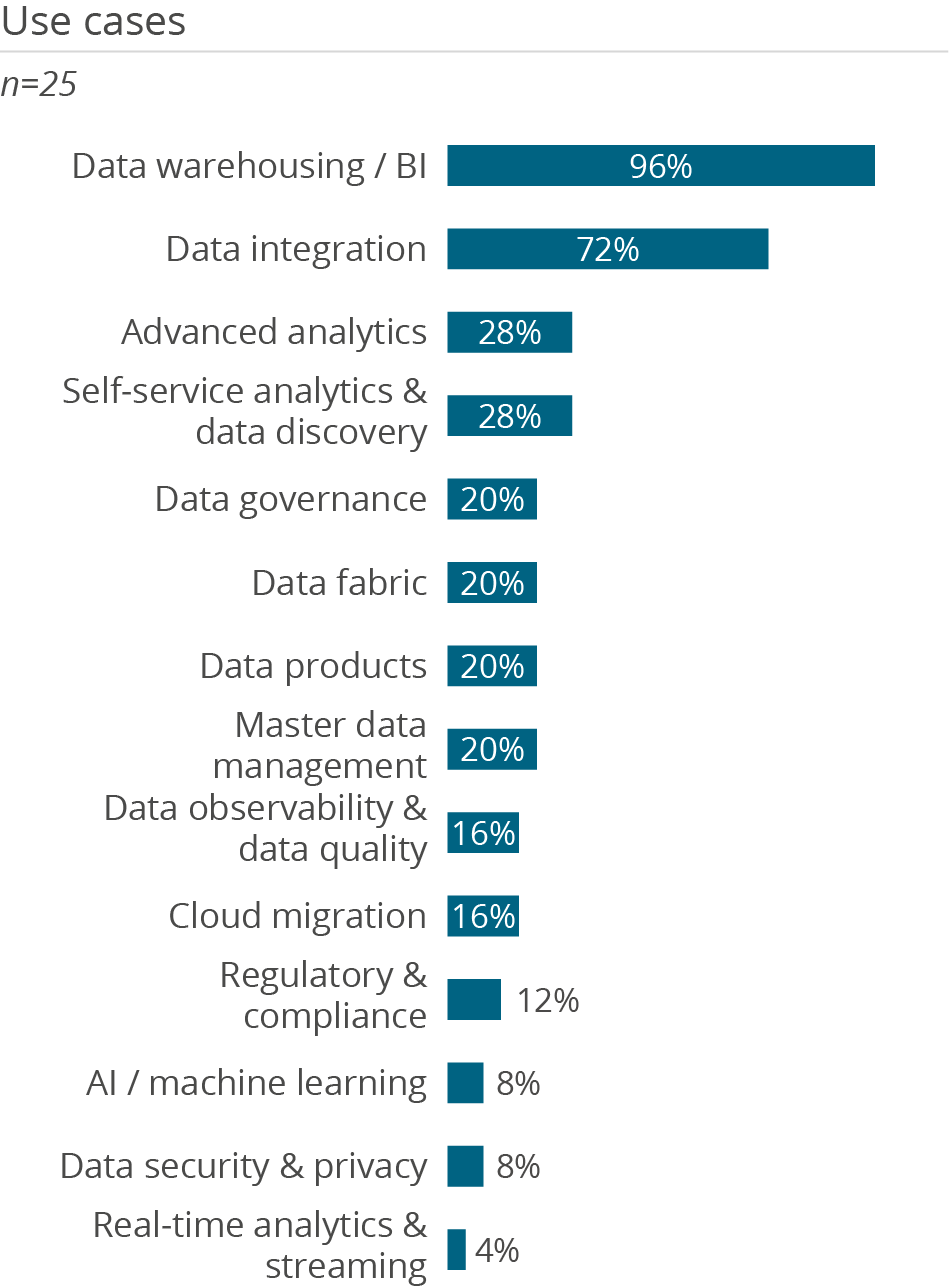
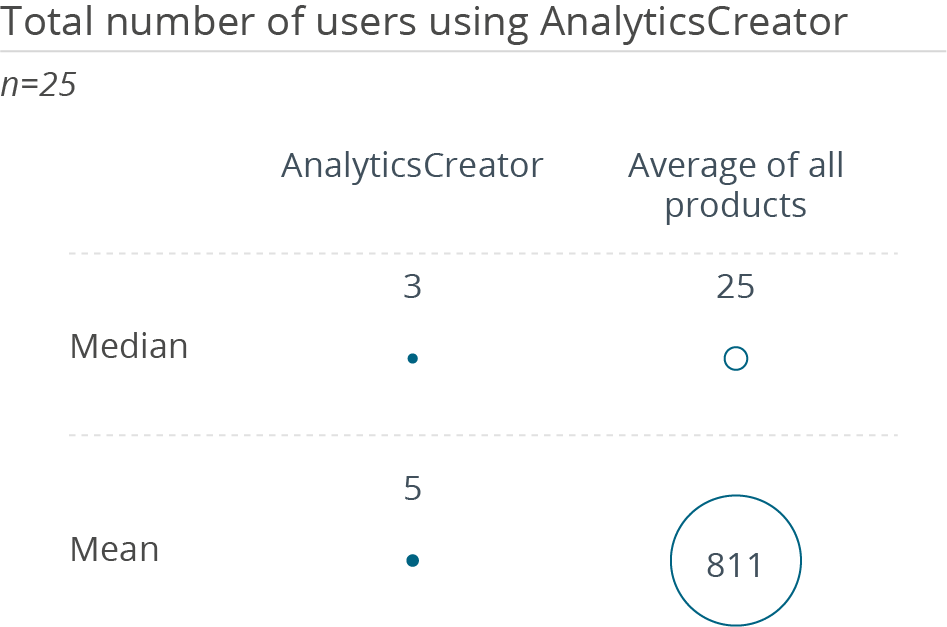
Born from implementation expertise, the company evolved its code generation engine into a user-friendly standalone product serving over 970 active users through a network of 60+ partners worldwide. Positioned as a provider of automated data modeling and code generation for modern data stacks, AnalyticsCreator empowers mid-sized companies and large enterprises to accelerate data product creation and data warehouse development through its comprehensive metadata-driven approach, with strong Microsoft technology focus, designing for Microsoft SQL Server, Azure SQL, Azure Synapse, and Microsoft Fabric.
AnalyticsCreator’s metadata framework serves as the foundation for advanced capabilities including lineage, impact analysis, and data catalog functionality, enabling users to search, explore, and understand data assets throughout their lifecycle. The platform supports multiple modeling methodologies and patterns (3NF, Kimball, Data Vault, medallion architectures) and seamlessly prepares analytical and in-memory databases for leading BI front ends including Power BI, Tableau, and Qlik Sense. Its hybrid architecture combines a Windows-based client for intuitive modeling and design through built-in wizards with Cloud-enabled functionality for distributed development and repository sharing. Distinguished by its no-vendor-lock-in philosophy, all generated artifacts and code remain executable independently. AnalyticsCreator empowers continuous integration/continuous development (CI/CD) workflows while positioning itself as an essential tool for Microsoft Fabric migration and integration, spanning the entire analytics lifecycle from source system integration to front-end analytics and data product delivery. For DevOps-driven delivery, AnalyticsCreator integrates with GitHub/Azure DevOps, enabling request-based review, traceable releases, and reliable rollback. The data warehouse model and generated artifacts can be incorporated into external CI/CD pipelines for consistent testing and controlled deployment, supporting governance and auditability through complete code transparency.
AnalyticsCreator’s 2026 survey results, based on 25 respondents (up from 19), reveal a platform achieving significant technical maturity while facing integration ecosystem challenges. The standout performance is in Technical Foundation (8.1/10, up from 7.7/10), driven by a remarkable Scalability score of 8.0/10 (doubling from 4.0/10). This breakthrough reflects AnalyticsCreator’s expanded metadata capabilities and automated data modeling and code generation, enabling end-to-end lifecycle automation at broader scale. Key User Support debuted strongly at 8.4/10, confirming the platform’s usability through intuitive GUI, effective debugging tools, and streamlined data model construction.
However, user-facing metrics moderated: Business Value declined to 8.3/10 (from 9.4/10), Customer Satisfaction to 8.7/10, and User Experience to 7.9/10. These remain solid scores and likely reflect rising expectations among a maturing, more diverse user base rather than functional deficiencies – supported by AnalyticsCreator scoring below survey average on reported problems, a positive indicator. The clearest opportunity lies in Ecosystem Integration (7.8/10, fourth place in the Data Warehouse Automation Tools peer group), aligning with user feedback on workflow and environment integration gaps and occasional performance concerns. All other KPIs maintain strong levels, positioning AnalyticsCreator as a technically robust platform refining its external connectivity.
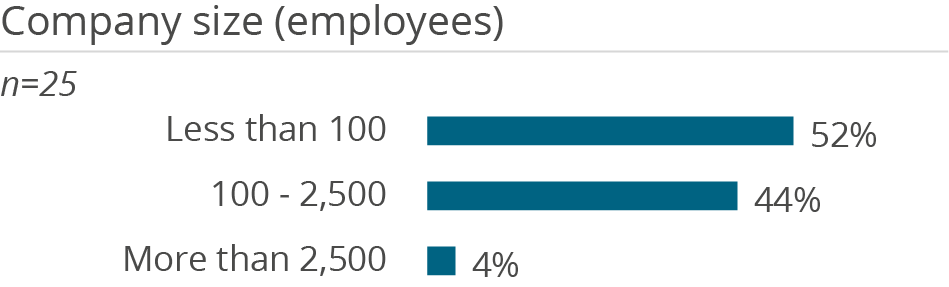
AnalyticsCreator delivers value for organizations deeply embedded in the Microsoft ecosystem seeking data warehouse automation without vendor lock-in. Its ideal customers are mid-sized to large enterprises prioritizing governance, traceability, and rapid prototyping and iteration within on-premises, Azure SQL, Synapse, or Fabric environments, particularly those migrating legacy systems or implementing Data Vault or dimensional modeling at scale. The platform excels when teams value modeling discipline, automated code generation, and CI/CD integration while requiring collaboration between business and technical users through a shared metadata repository. AnalyticsCreator’s no-lock-in approach – where generated code remains executable beyond licensing – provides long-term flexibility rare among automation tools.
However, organizations requiring multi-cloud or non-Microsoft target platforms should evaluate carefully, as the product’s deep Microsoft focus may necessitate additional tooling. Looking ahead, AnalyticsCreator’s trajectory hinges on expanding ecosystem integration beyond Microsoft boundaries while maintaining its technical foundation strengths. Its proven scalability gains and metadata-driven automation position it favorably for enterprises embracing modern data stacks, provided they align with its Microsoft-centric strategic direction.