Founded in 1998 in California as a search engine, Google has grown into the world’s third-largest technology company by revenue. Headquartered in Mountain View, CA, the company’s primary revenue stems from online advertising through Google Search, Google Ads, and YouTube, though its strategic focus has expanded significantly into cloud computing, artificial intelligence, and data analytics. Google Cloud Platform (GCP) holds 14% of the global cloud computing market and serves diverse organizations ranging from startups to Fortune 500 companies across the government, finance, retail, and healthcare sectors. Its parent company, Alphabet Inc., is considered the third largest technology company globally.
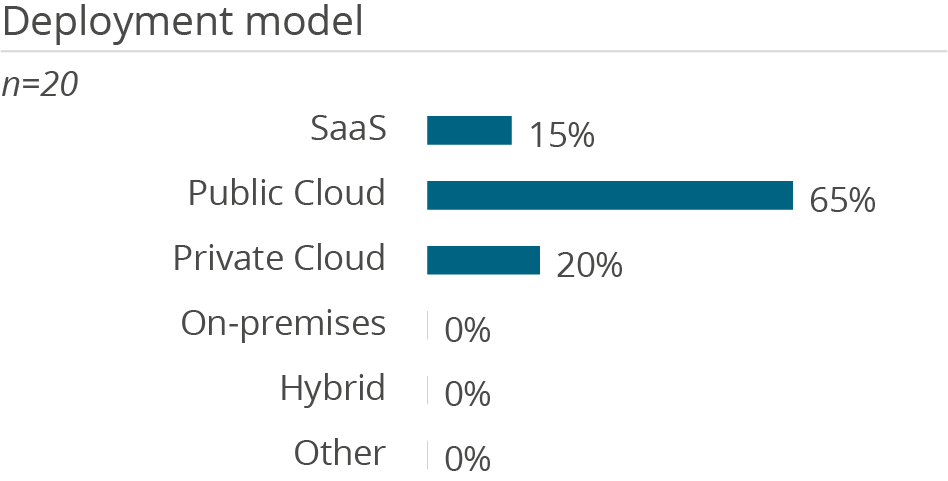
Google Cloud Platform (GCP) provides over 200 services that cover data storage, computing, machine learning (ML), and artificial intelligence (AI). To address digital sovereignty requirements, GCP provides three deployment models: data boundaries for geographic data processing controls, partner-led offerings where independent European companies operate GCP software within their own data centers, and fully air-gapped environments for organizations with stringent data security and sovereignty mandates.
Google BigQuery plays a foundational role in GCP’s data and analytics portfolio as a fully-managed, serverless data warehouse designed for large-scale data analysis. BigQuery seamlessly integrates with other GCP services, including Looker Studio, Looker, Dataproc, and Vertex AI Workbench, enabling users to perform advanced analytics and leverage machine learning within a unified ecosystem. Its serverless architecture automatically scales to provide optimized query performance for analytics and reporting.
Google has continued to invest heavily in AI-driven capabilities for BigQuery. Gemini AI integration, generally available since 2024, provides Data Insights, Data Canvas, SQL and Python code assistance, and partitioning recommendations. In 2025, these capabilities expanded with AI-powered Data Preparation and in 2026 Google launched a preview for natural language analytics directly in BigQuery.
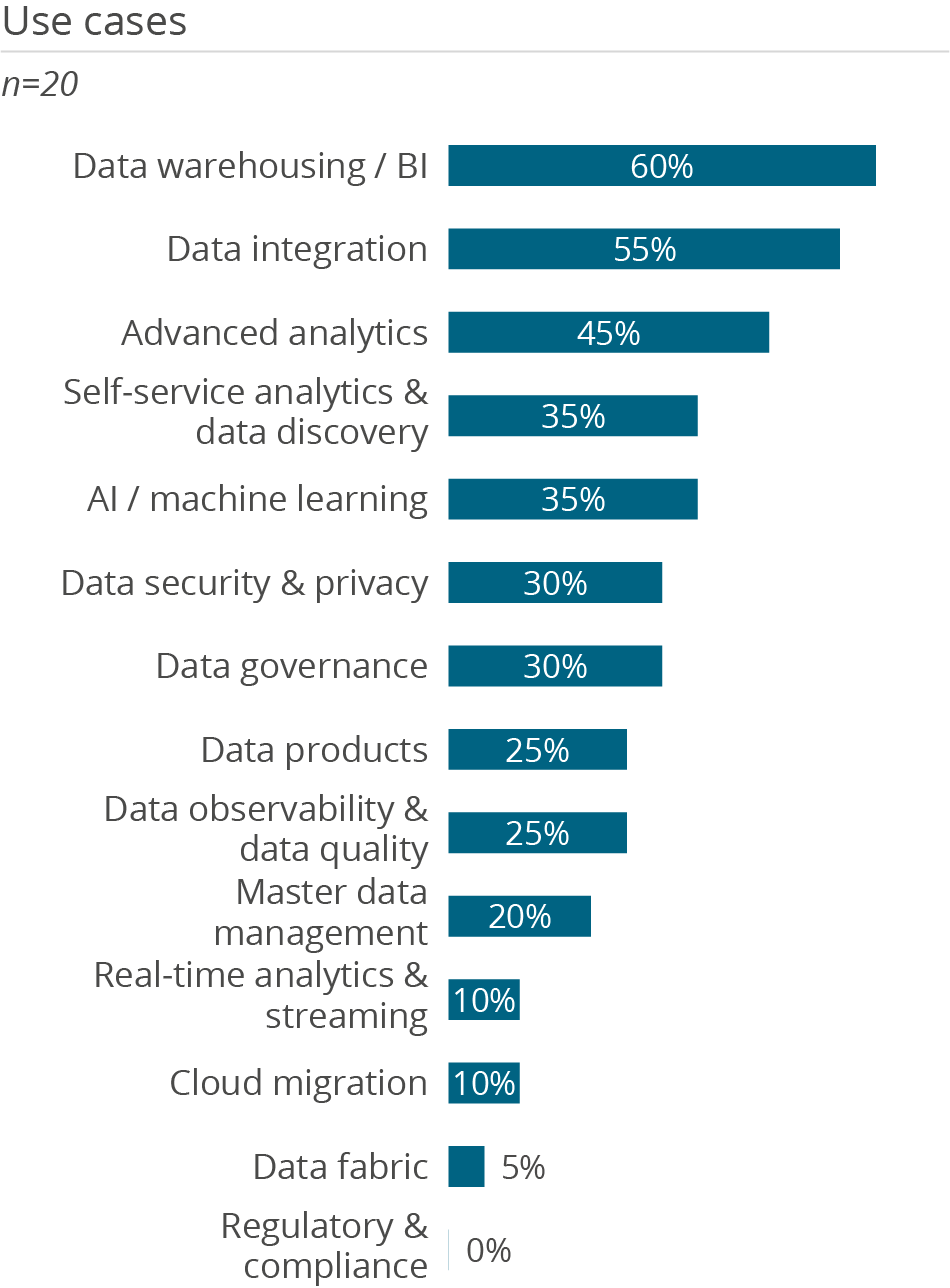
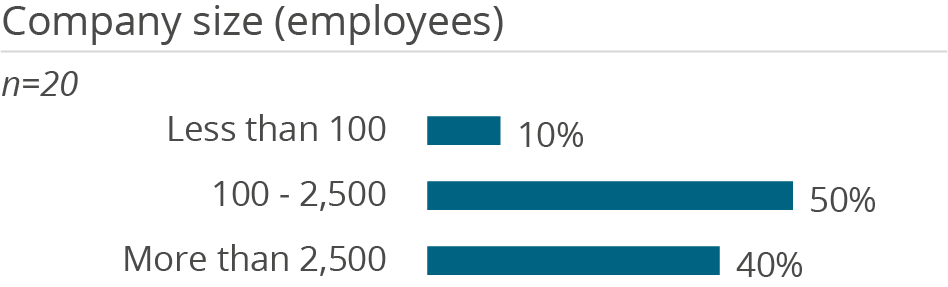
This year’s survey included 20 responses from BigQuery users. Primary use cases include data warehousing and BI (60%), data integration (55%), and advanced analytics (45%). 90% of responding organizations have over 100 employees, indicating BigQuery’s strong presence in mid-to-large enterprises.
BigQuery has achieved a remarkable turnaround in user experience. Ease of Use has improved dramatically from 4.5/10 last year to 7.9/10 this year, now ranking first in the Data Warehouses peer group, while overall User Experience climbed to 7.1/10 and Key User Support scored 7.3/10 (both ranked second in the Data Warehouses peer group). However, 32% of respondents still report the tool is “too difficult to use for business users” (13 percentage points above average), suggesting BigQuery excels for technical users while the business user gap remains.
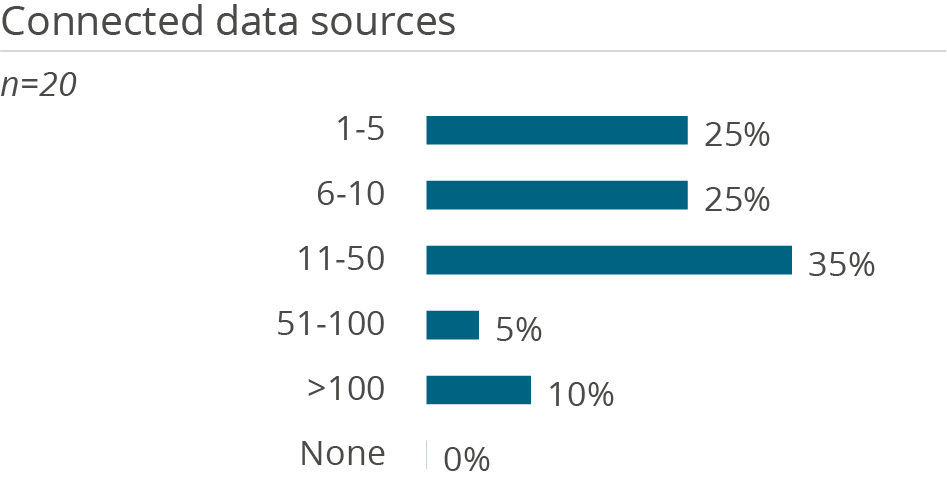
Connectivity and functional capabilities remain BigQuery’s strongest purchase drivers, each cited by 56% of customers, followed by scalability at 50%. Notably, BigQuery ranks in the top three for Data Security & Privacy in all its peer groups (7.1/10), arguably due to the comprehensive digital sovereignty options explained above.
Despite these strengths, pricing concerns persist as BigQuery’s most significant challenge. 37% are reporting that the pricing model doesn’t scale adequately (18 percentage points above average). Adaptability also remains low, with 21% finding the tool too difficult to customize.