SAP was founded in 1972 as a business applications company but really came into prominence in the 1990s with the ERP boom. Its ERP solution (R/3) was first released in 1992. The vendor employs more than 110,000 people worldwide and had revenues of $36.80 billion in 2025. Today, SAP is one of the largest business software vendors in the world.
For many years, SAP Business Warehouse (BW) was its strategic offering and foundation for building business intelligence applications. BW is a package consisting of connectors, relational data storage, subject-oriented multidimensional structured data marts and predefined content, as well as tools for reporting, analysis, and planning, providing a plug-and-play BI solution. However, BW is considered technically complex and has weaknesses in supporting self-service analytics for business users.
SAP Data Warehouse Cloud was launched in November 2019 as SAP’s new offering for data warehousing in the public cloud to specifically address these points. With its rebranding to SAP Datasphere in March 2023, SAP announced a new generation with improvements in the areas of data sharing and collaboration as well as in the openness of the data ecosystem for the implementation of a business data fabric. The aim of Datasphere is to provide a unified experience for data integration, data cataloging, semantic modeling, and data virtualization—as well as data warehousing—which makes SAP Datasphere the strategic successor of SAP BW and SAP BW/4HANA.
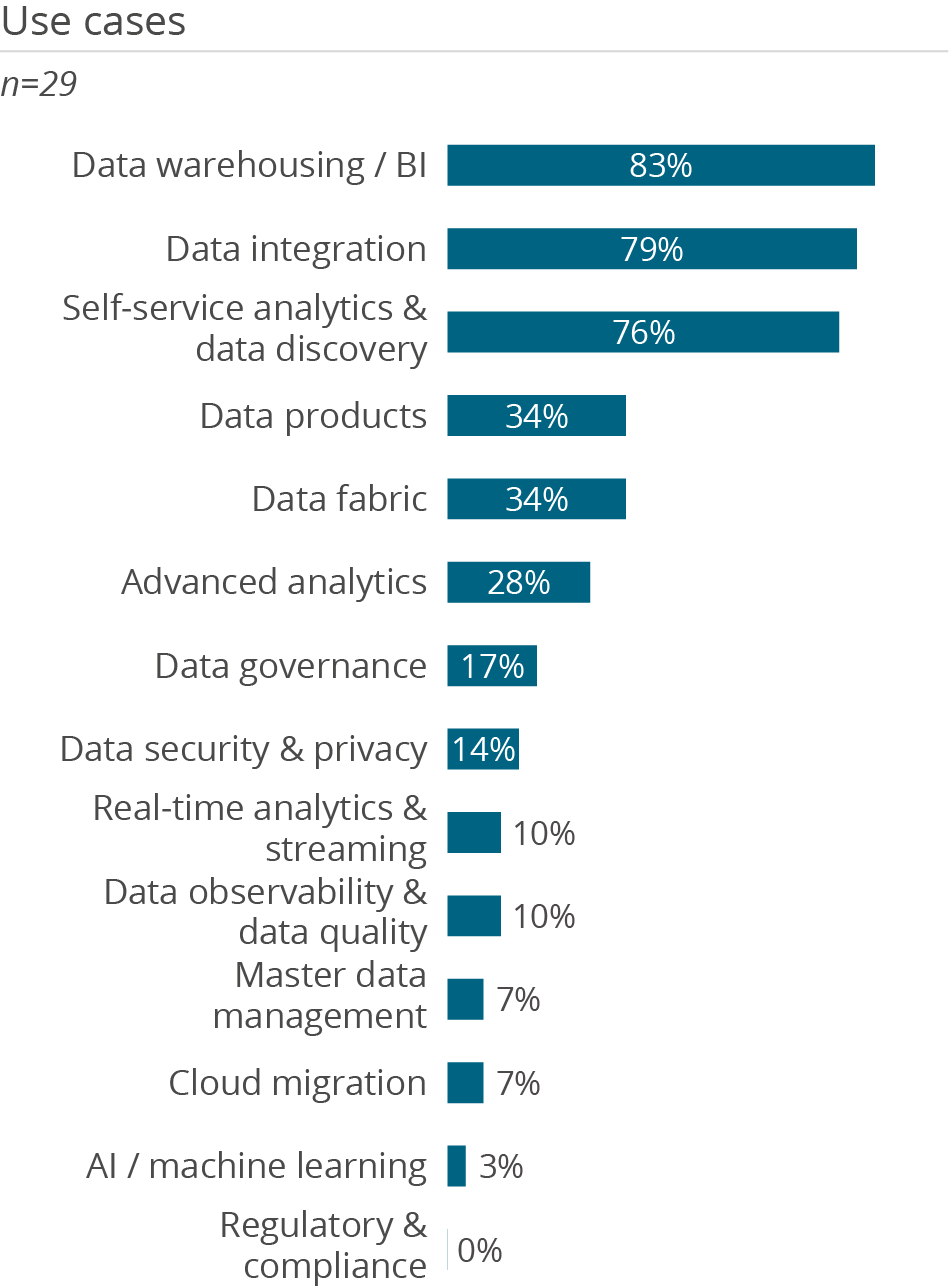
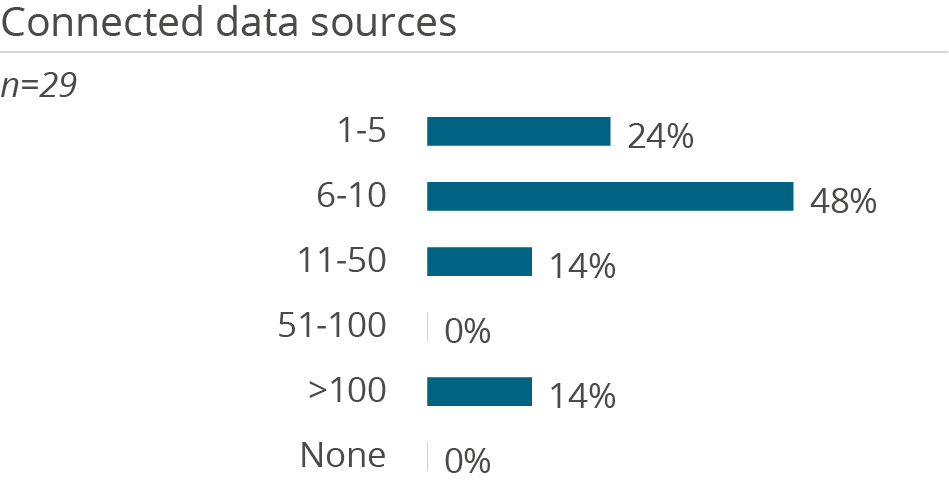
While providing a flexible, cloud-based option for the enterprise data warehouse, the solution is also designed to empower line-of-business users to perform self-service analytics by means of a business semantic layer. It follows a federate-first approach to reduce or completely avoid upfront data movement, which increases agility and reduces the required data management footprint. Datasphere includes support for defining and sharing data products, enabling organizations to package and distribute curated data assets. The architecture leverages HANA Data Lake Files (HDLF) object storage for managing large volumes of data files in formats such as CSV, Parquet, and Delta tables, and SQL on Files Engine for querying data in the object store. The solution can be deployed as a standalone solution or to complement existing SAP or non-SAP data warehouses. It supports a wide range of connectivity to SAP and non-SAP data sources. The solution offers a governed sandbox concept for combining enterprise data sources with individual and external data in a domain or use-case-specific area called Spaces. If required, sandbox results can be transferred as seamlessly as possible into the enterprise environment.
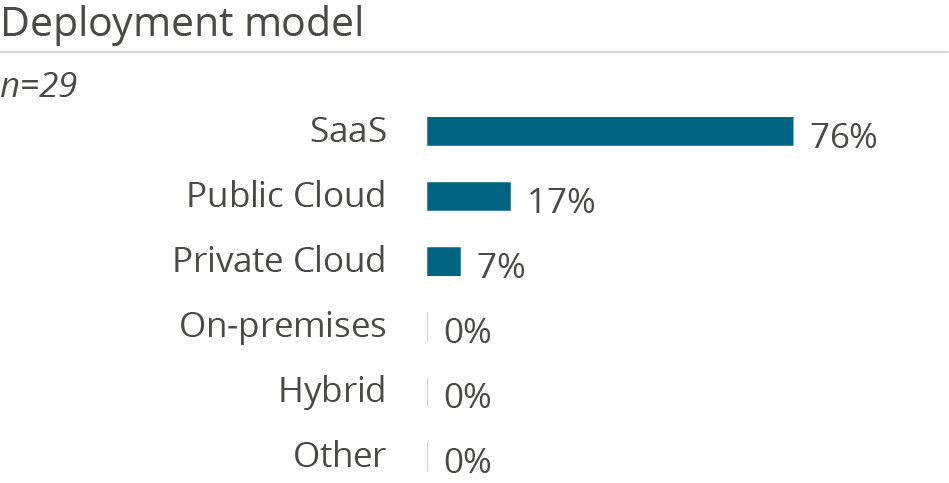
In February 2025, SAP launched SAP Business Data Cloud (BDC), a fully managed SaaS platform. BDC comprises several integrated components: SAP Datasphere for data modeling, integration and management; SAP Analytics Cloud for analytics and planning; SAP BW/4HANA private cloud to support existing data warehousing customers; SAP Databricks (managed by SAP) for data science, data engineering, and machine learning/AI capabilities; a data catalog for federated metadata management; intelligent applications; and Joule/Business AI. Data products serve as a cross-component capability, allowing users to create custom data products within Datasphere, BW, or Databricks and share them via zero-copy delta share. SAP BW/4HANA will be supported until at least 2040. The general recommendation for SAP BW customers is to move to SAP Datasphere within the BDC environment.